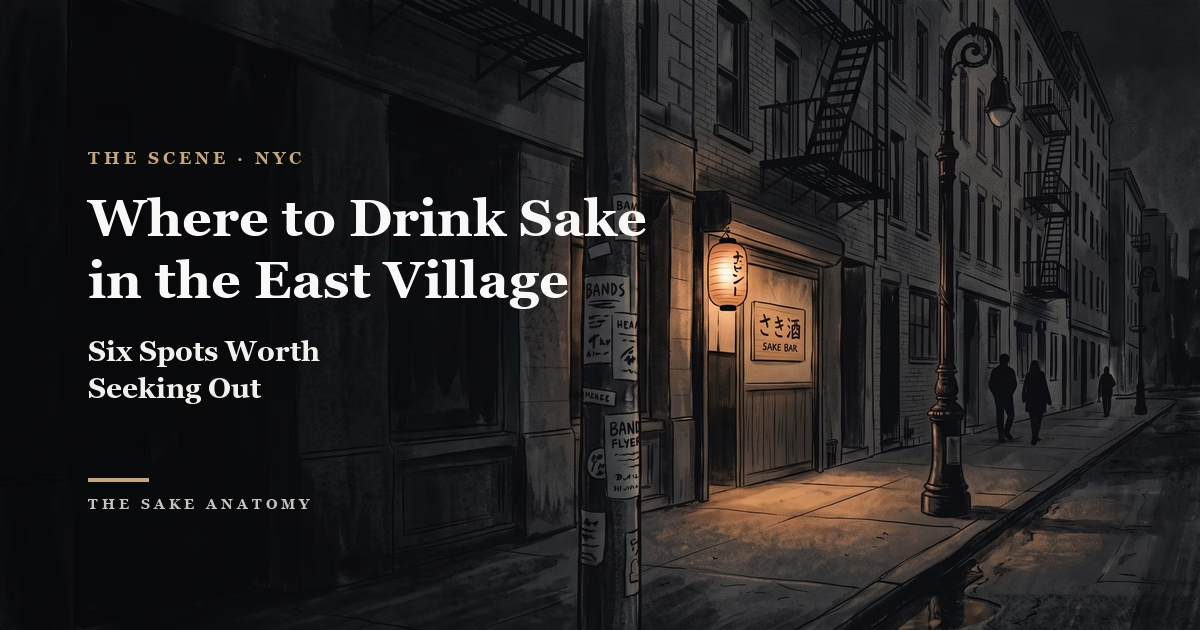
Where to Drink Serious Sake in the East Village, NYC: Six Spots Worth Seeking Out
The East Village was Manhattan’s working-class Lower East Side spillover before it became the city’s countercultural engine room — punk clubs, poets, and the kind of cheap rent that let a neighborhood get weird for a few decades. Some of that rent is gone, but the low-key, do-your-own-thing character stuck around, and it shows in how the neighborhood drinks: no velvet ropes, just a genuine cluster of small, serious, sake-focused spots within a few blocks of each other, mostly around East 9th Street and Alphabet City.
How we picked these six
Same rule as everywhere else on this site: we didn’t judge by taste. Every place below earned its spot on a specific, checkable kind of commitment — a wide selection, a tasting-flight format, a pairing-first kitchen, or a clear specialisation. One trait done exceptionally well is enough.
Where does a Michelin-pedigree sake sommelier run the show?
Odo East Village, a 24-seat “kaiseki izakaya” that opened in February 2026 from the team behind the two-Michelin-starred Odo in Flatiron, is the newest and most ambitious sake program on this list. Odo East Village itself is currently listed as Recommended in the Michelin Guide rather than starred — it’s a young, more casual sibling restaurant, not the flagship — but sake sommelier Yuki Tanaka runs a program locals already rate among the city’s best. Bottles run $45–150; by-the-glass pours run $14–22.
Where can you buy sake from people who actually know it?
Sakaya, on East 9th Street, was NYC’s first shop dedicated specifically to premium sake, run by a couple who built the place around their own knowledge rather than distributor volume. It’s retail, not a bar — no seating, no glasses poured to order — but weekly tastings (generally Saturdays around 5pm) let you try bottles before committing, including sake that’s sometimes brand new to the US market.
Where’s the pioneer that’s been doing this since before it was cool?
Sake Bar Decibel, on East 9th Street since 1993, introduced a generation of New Yorkers to sake, shochu, and Japanese whisky before most of the current wave of sake bars existed. The selection is deep enough that the staff’s standard advice is to order a bottle rather than single glasses if you actually want to taste the range.
Where can you drink through 30-plus labels with real tasting notes?
Sake Bar Satsko, an East Village fixture since 2004, pairs izakaya-style Japanese food with 30-plus sakes, each one annotated on the menu with its own tasting notes rather than left for you to guess at.
Where is the sake list organized like an actual map of Japan?
Accidental Bar, tucked into Alphabet City on Avenue C, organizes its handwritten sake list geographically, north to south down the length of Japan, alongside small plates built specifically to bring out different qualities in the drink. It’s as much a study aid as it is a bar menu.
Where’s the easiest place to actually learn the categories?
Hi-Collar, a daytime Japanese cafe that turns into a sake bar by night, keeps it simple: four sakes by the cup, one each representing daiginjo, ginjo, and honjozo styles, a fast, low-stakes way to taste the difference between milling grades side by side instead of reading about it. How a bar serves sake is itself a local decision, and the gap is wider than most drinkers expect: see how sake is served in Tokyo versus New York.
Frequently asked questions
Which of these is best for a first-time sake drinker?
Hi-Collar, since its four-cup lineup across daiginjo, ginjo, and honjozo styles is a fast, cheap way to taste the difference between milling grades without committing to a full bottle.
Can I walk between all six of these in one night?
Yes. All six sit within a few blocks of each other around East 9th Street and Alphabet City, easily walkable in a single evening.
Do I need a reservation?
Odo East Village takes reservations exclusively through Resy on a 30-day rolling basis and books up quickly. The rest generally take walk-ins, though Sake Bar Satsko and Sake Bar Decibel get busy on weekend nights.
What is the difference between Sakaya and the bars on this list?
Sakaya is a retail shop, not a bar: no seating and nothing poured to order outside its weekly tastings. It is the place to buy a bottle to take home, not to drink one on the spot.
New to the format these bars are built around? Start with What Is an Izakaya?, then brush up on serving temperature before you go.
For more small, precise notes on sake science and culture, follow along on Instagram @thesakeanatomy.