GI Sake: What a Geographical Indication Actually Guarantees
A sake geographical indication certifies where and how a sake was made, not how good it is. What Japan’s 23 GI designations actually require.
A sake geographical indication certifies where and how a sake was made, not how good it is. What Japan’s 23 GI designations actually require.
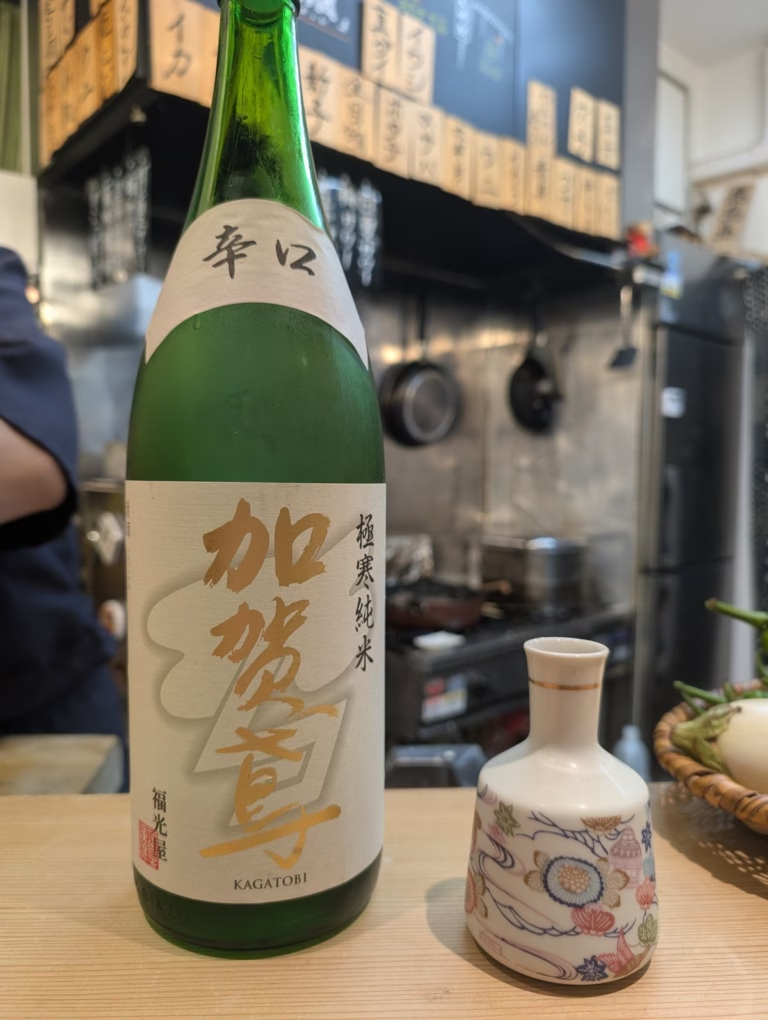
Kagatobi Gokkan Junmai Karakuchi, read label-first: what 極寒 claims about the ferment, and why SMV +4 only means something next to acidity 1.8.
Kanpai (乾杯) means “dry the cup”, yet nobody empties it. What the Japanese toast really signals, why nobody drinks first, and when to say kenpai.

Sake is brewed from rice, water, koji and yeast — no wheat, barley or rye. Here is what the law allows in the bottle, and the one ingredient to check.
Koshu is sake a brewery aged on purpose. What the Maillard reaction does to its color and aroma, and how to tell maturation from a spoiled bottle.
In Japanese, sake means any alcohol and nihonshu means the rice drink. Seishu is the legal term. What each word covers, and why it matters.
The International Wine Challenge named a junmai ginjo its Champion Sake 2026, beating the daiginjo field. Plus GI Yamagata at ten, Yoshinogawa retiring its flagship, and what kojic acid does to bacteria.
Sake brewing water is roughly 80 per cent of the bottle. Why iron and manganese are capped at 0.02 mg/L, and why technique beats a famous well.
Kimoto, yamahai and sokujo all rely on lactic acid. The difference is who makes it, and when. A clear guide to sake’s three starter methods.
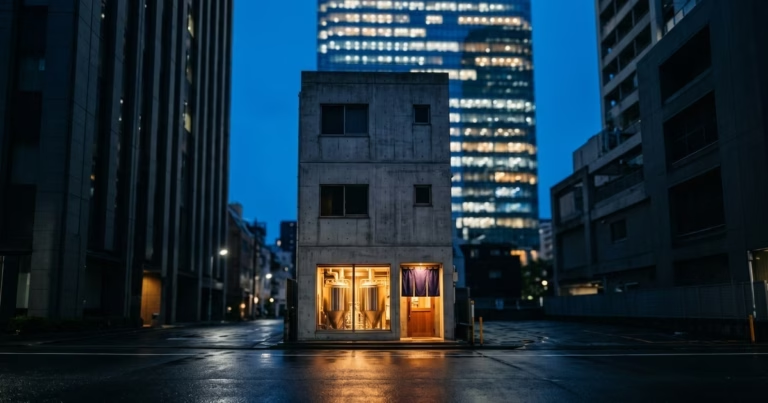
Tokyo has ten sake breweries, one of them brewing with tap water in a four-story building in Minato. The city sake geography, its 1596 origin story, and three full days on three train lines.